
May
14
2026
08:16

May
14
2026
08:16
Organic pioneers
Matthew ponders who should own, have access to and benefit from land
The organic movement started across Europe around the time of the second world war (earlier if you include the biodynamic movement, which started in 1926). There were a number of movements developing in parallel across Europe, each a reaction against the industrialisation of farming (with the introduction of pesticides and fertilisers), with the aim of protecting nature and the environment, and also as a movement for better human health and nutrition.
So, from the start the organic movement has been a pioneering, often radical response to wider practices in society. Many organic farmers, especially the early adopters, were social critics and saw a number of interrelated social and political problems, of which industrialised farming was just one.
We reported in this newsletter a couple of years ago on the radical step by Guy Singh Watson, founder of Riverford Organics, the largest farmer-led box system in the UK, when he made the decision to transfer a large part (70% and since then 100%) of the thriving Riverford business to be a worker-owned cooperative. That is the permanent employees of the company run the company, and benefit collectively from profits, most of which are fed back into the business, not paid out to faceless shareholders.
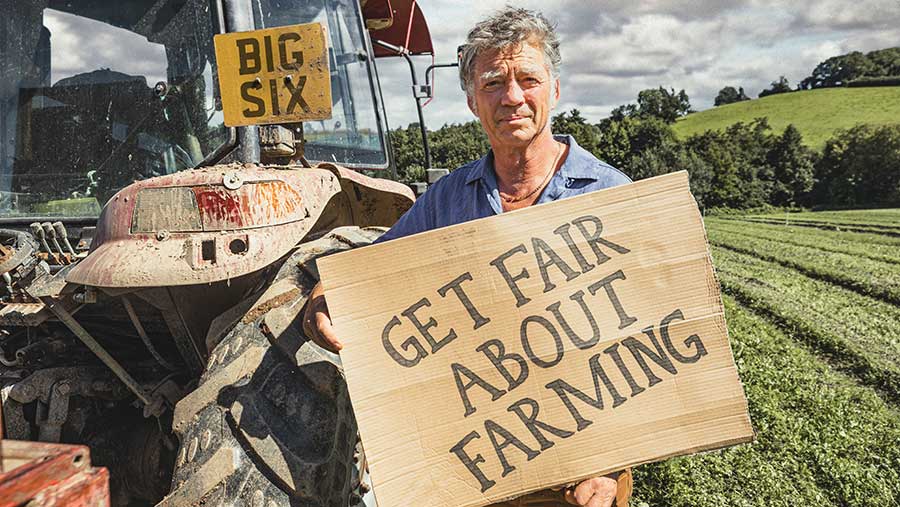
Now, another radical move in the UK, right at the heart of the landowning tradition. Sir Julian Rose, and his daughter Miriam Rose are in the process of handing over the ownership of their generationally inherited expansive Hardwich estate to a community owned charitable business. Julian Rose grew up on the estate, in the south of England, and in his 30's decided to convert the estate to organic farming - already a radical step at that time. The estate is just celebrating 50 years of organic farming - 50 years ago organic farming was seen as "muck and magic".
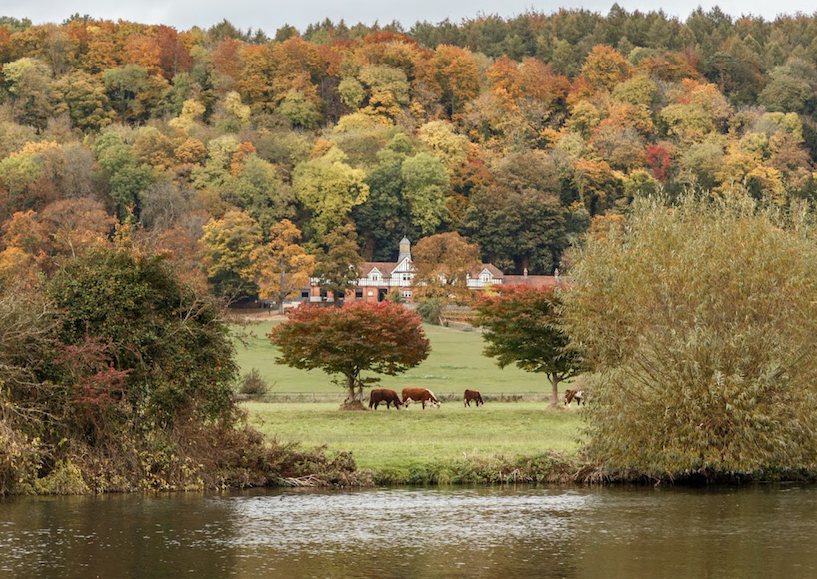
But not content to stop are organic management, the family have decided that there are inherent ethical problems connected with the age-old system of land inheritance - large land estates being passed down from generation to generation. The practice doesn't insure good stewardship (responsible land management) and is also inherently socially unjust, benefiting the few, while the people who live and work on the land have insecure access.
This is the first example of an large estate in the UK being voluntarily gifted to the local community who live and work on the estate. Is this the beginning of the end for the British aristocracy?