
Marc
18
2026
12:28

Marc
18
2026
12:28
Expanding in the fields
Field cropping expansion in Zsámbok
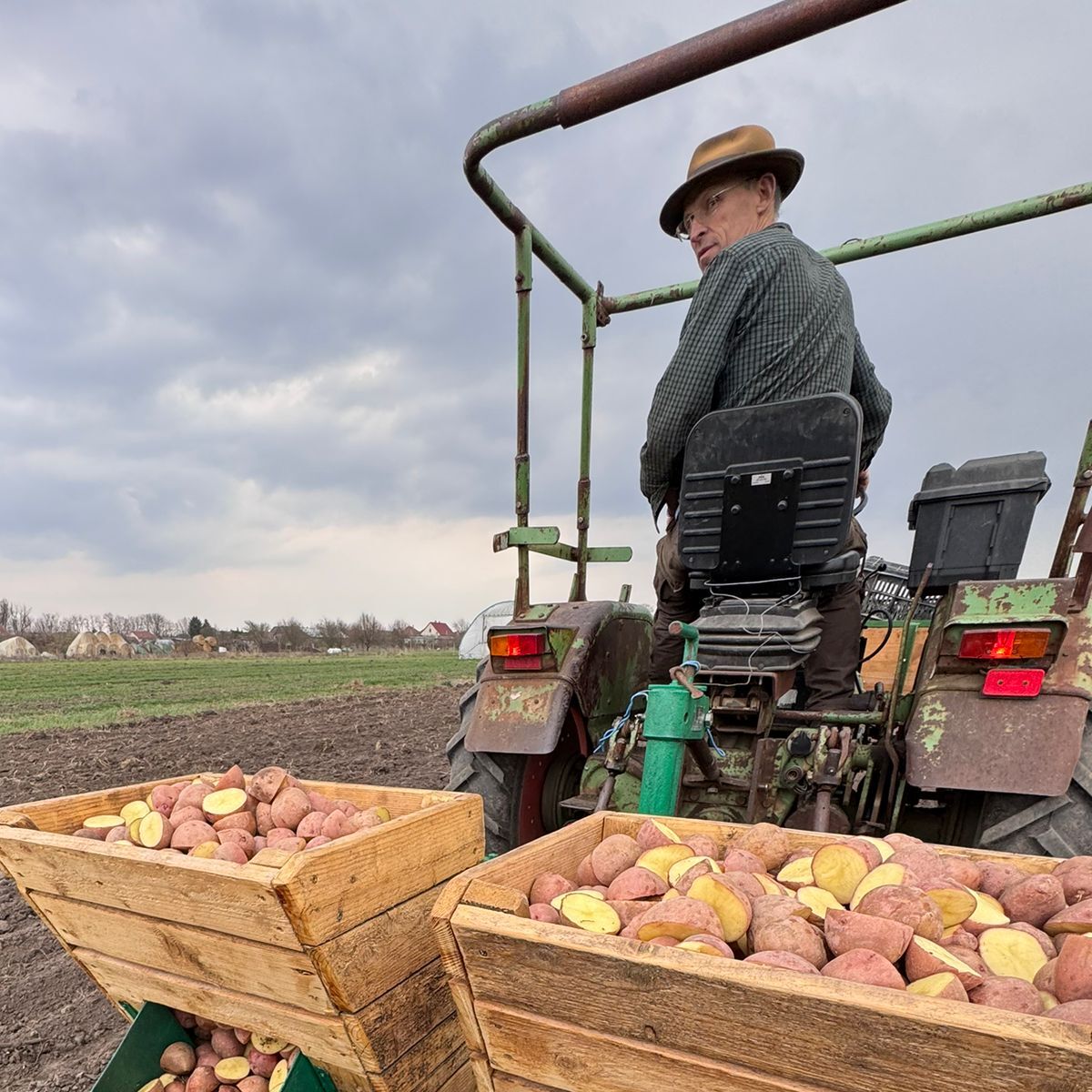
This season (2026), following last year's trial, we are expanding our field vegetable area. We are doubling the size, so that in addition to the "biointensive" areas we’ve cultivated for years (including our polytunnels), we will have about 1 hectare (10,000 m²) of field vegetables.
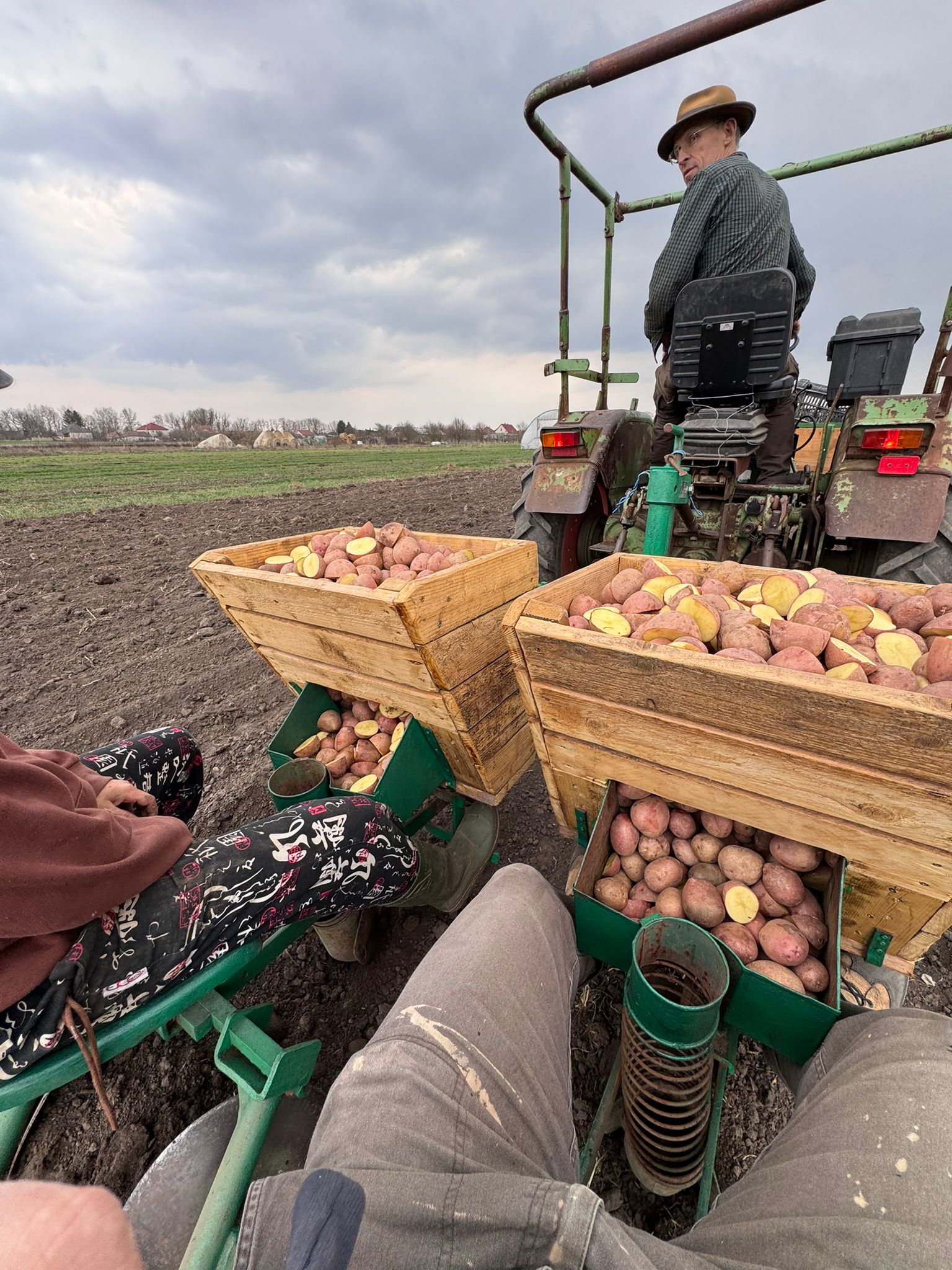
This is quite an ambitious step up, but we see that the more we can grow our own produce, the better. We get such great feedback—you simply can't beat the exceptionally good taste of our well-loved Zsámboki soil!
Challenges: Weeds and Water
We are facing two main challenges in the growing season ahead:
- Weed competition: The weeds love our soil just as much as the crops do.
- Water: This is the bigger problem, as our options are limited.
Our approach is to be as economic as possible with water use, so we are switching to drip irrigation. This uses significantly less water per crop than the overhead sprinklers used by most growers. We will report more on this as the season goes on—praying for rain or dancing might help, depending on your preference!
Machinery and the puzzle
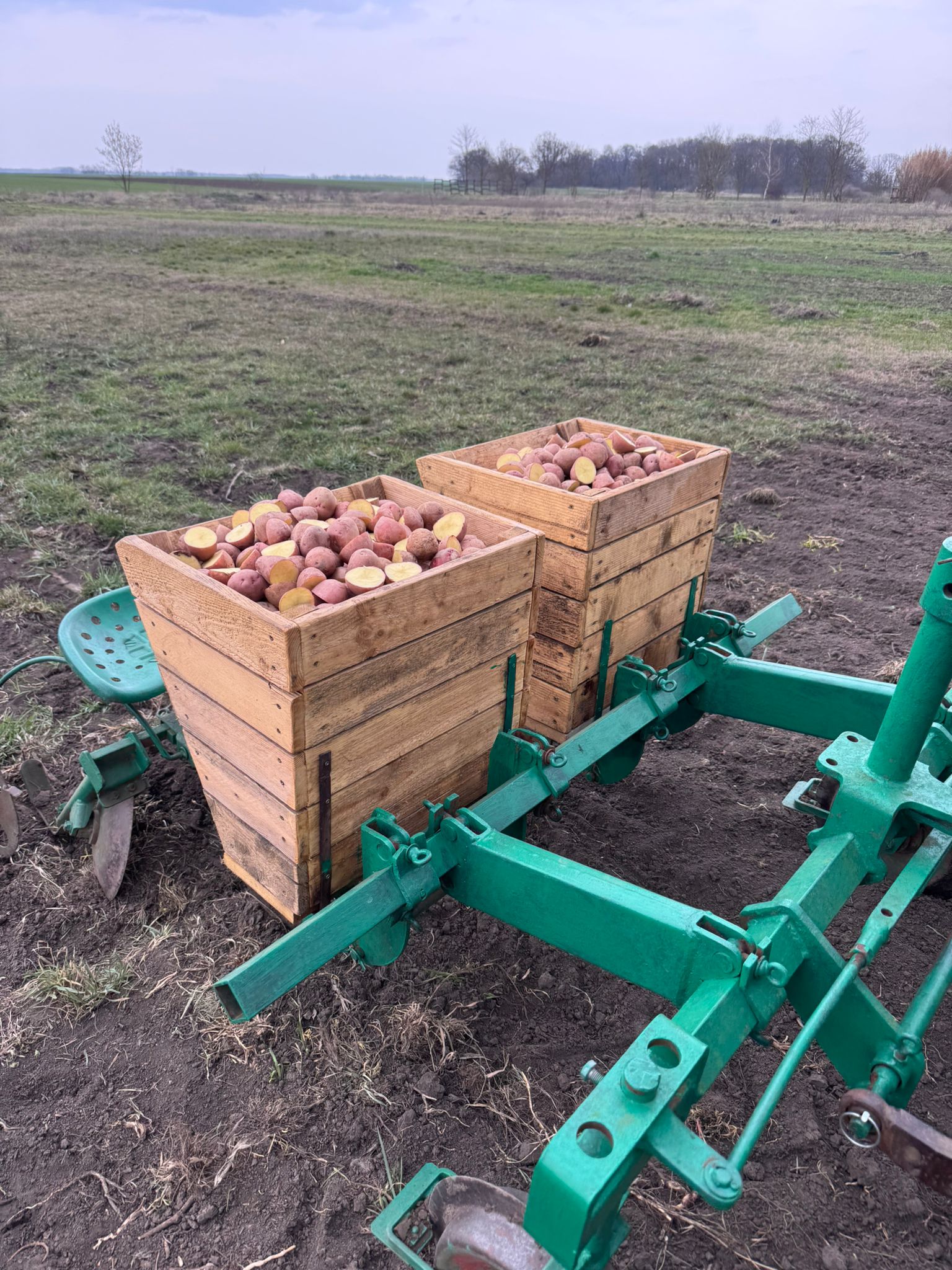
For me (Matthew), it’s an interesting challenge to focus on field vegetable production this season, which is mainly mechanized using a combination of old and new machinery. For most of my organic growing career, I’ve concentrated on hand-tool-based production with a bit of help from Sári, our beloved horse. But I have to say, I am enjoying the challenge. Figuring out how to cultivate, hoe, irrigate, and harvest larger areas with a very small team is sometimes a good puzzle.
Soil Health
We also have to think about soil health. One of the reasons I’ve always preferred hand-scale production is that the impact of compaction (compressing the soil) is much lower. To compensate for the damage machinery inevitably does, our best tool is to keep live crops growing in the soil almost all the time. In the autumn, we sowed a lot of green manure (mainly rye). Timing is also essential: we must avoid driving onto wet soils at all costs and try not to cultivate areas that are too dry.
What’s New in the Fields?
We have already sown carrots and onions, and yesterday we planted a good-sized area of potatoes. We also have a lot of seedlings coming on: broccoli, cauliflower, kale, cabbage, etc. Hopefully, we can start supplying some crops from the field areas by June.
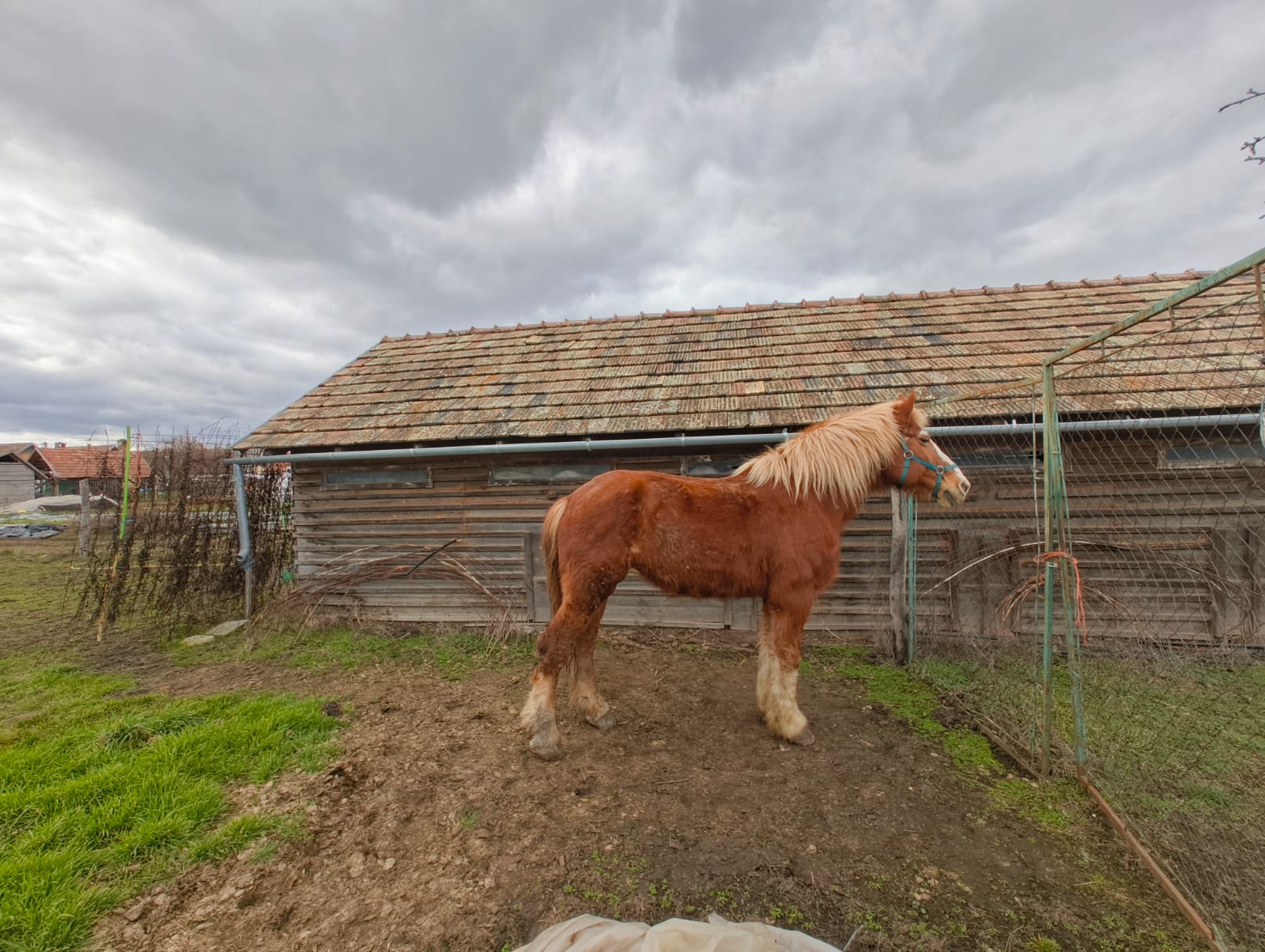
And don't worry: despite all this talk about machinery, we haven't forgotten our most loyal colleague, Sári Ló. She remains an essential part of the team; we’ll be relying on her for cultivating the potato crop and hauling compost and other bulky materials around the garden.