
Feb
26
2026
16:07

Feb
26
2026
16:07
Apples for apples? Could nutrient-based pricing ever work?
In this blog post, we imagine what it would be like if food prices weren't based on weight or calories.
As organic growers (and consumers ourselves), we know our produce isn’t just a commodity, it’s a package of complex biology. But how do we prove that an organic apple isn't just an "expensive version" of a conventional one?
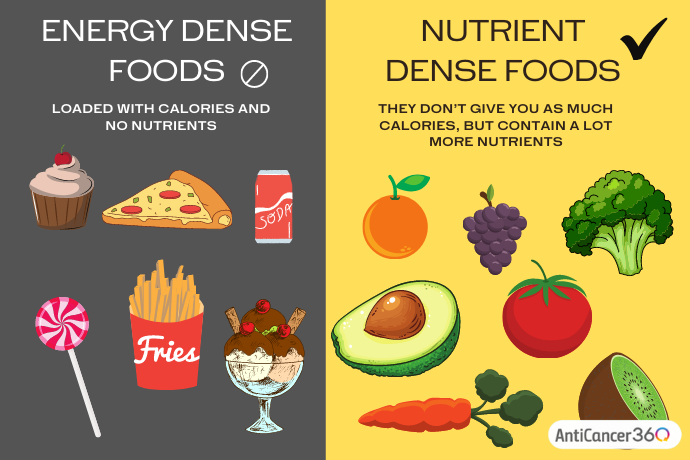
The answer might lie in a modest thought experiment, what if we priced food based on its nutrient density instead of its weight? Let’s look at some facts:
- Research by the Bionutrient Institute (formerly the Real Food Campaign) has shown that nutrition isn't a fixed constant. In their studies, antioxidants in carrots varied by a factor of 40, and polyphenols by a factor of 20 between samples. Under a nutrient-pricing model, a highly nutritious (and tasty) organic carrot would be worth significantly more than a ‘looks almost like the real thing’ conventional one.
- Many growers already use Brix testing (measuring dissolved solids like sugars and minerals in plant sap) to gauge quality. If we shifted to a ‘price per Brix’ model, farmers would be incentivized to focus on soil health—since higher microbial activity in the soil directly correlates with higher nutrient levels in the crop. We already do this in organic farming, but we don’t necessarily get rewarded by the market automatically.
- Currently, the USDA and UK food indices track "affordability" based on calories per dollar. This rewards ‘empty calories’ (cheap starches and oils), instead of nutritious food. A shift toward a Nutrient Rich Food Index (Drewonski, 2010), could potentially shift policy towards producing high-nutrient foods, ultimately benefitting organic produce.
- Everyone is becoming more data literate and wants evidence, this is a good thing, it allows the facts to guide an argument rather than pure emotion. Handheld spectrometers are being developed to give consumers a 1–100 scale of food quality at the point of purchase. Imagine a shelf where the price tag changes based on the actual vitamin and mineral content.

Overall, pricing by nutrient density would finally reward the ‘invisible’ work we do as organic farmers to build soil life. But who knows how long this might take to develop?
What’s significant about even having the conversation is how it changes the thinking around ‘expensive’ food. For decades, the barrier to growth has been the ‘price premium.’ But if we look at the cost per unit of nutrition, organic often becomes the bargain.
But how does this relate to farming? Well, nutrient density correlates with soil biological activity - what we’re promoting with organic farming methods. Measures like microbial respiration or metabolism are the real engines of nutrition. High biological processes yield more nutrients in crops. By focusing on nutrient-based pricing, we move the market away from measuring output in weight to ‘how much health can we produce?’.
So what if we stop selling ‘apples’ and start selling ‘nutrition’? The economic case for organic farming becomes undeniable. It’s no longer about a lifestyle choice; it’s about getting what you actually paid for.