
Feb
19
2026
08:07

Feb
19
2026
08:07
USDA dietary advice & UK Biodiversity report
New dietary advice from the US and a damning biodiversity report from the UK government
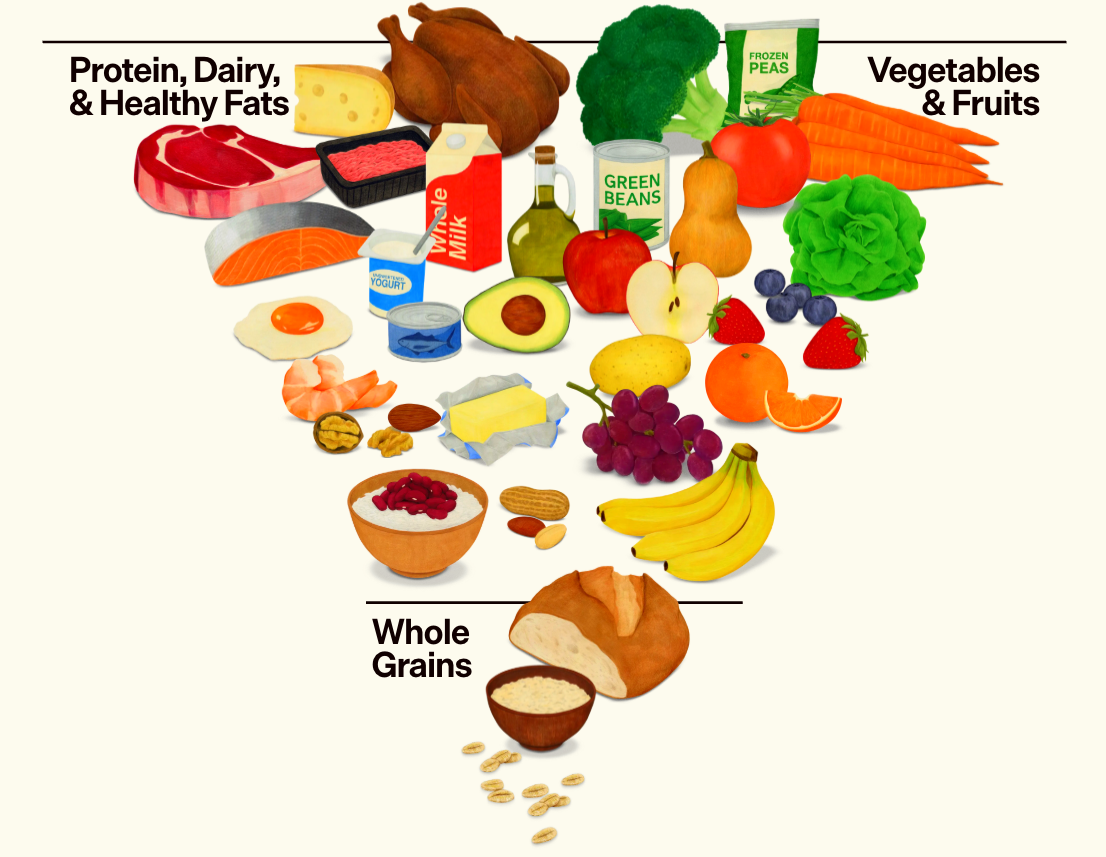
There is a lot going on in the world and it is not all bad (it is not all good either). On the positive side, it is interesting to read about the new USDA dietary advice for US citizens (I am slightly behind Kata on this, as she hit on this sooner):
- Eat the right amount for you - sensible advice - we are all different and at different ages and stages. The dietary guidance is not to count calories but to concentrate on quality and nutrient density.
- Prioritise protein in your diet - I am not 100% sure about this one, as there is a lot of conflicting advice about protein. Most Western/European diets are already too high in protein, although getting a higher proportion of plant protein makes a lot of sense (legumes), combined with high quality (organic) meat in very moderate amounts - my addition.
- Consume dairy - again there is some conflicting advice on this, though I totally concur on the approach to shift away from an obsession with cholesterol and look at the quality of fats/oils we are consuming. Again it is all about quality. There is a lot of debate in environmental circles about the impacts of dairy farming (we can pick this apart in another post perhaps) - when located in the right place and when consumed in moderation, dairy has a lot of benefits. Fermented organic dairy products (especially from raw milk) can be a fantastic boost for the gut microbiome (yoghurt, kefir, fermented cheeses).
- Eat vegetables and fruits right through the day - right on! - just make sure they are organic for your own health and the health of the planet.
- Incorporate healthy fats - virgin olive oil always seems to come out top here. Hydrolyzed vegetable oils (cheap and highly processed) are unhealthy.
- Focus on whole grains - again this makes sense if you are eating organic - it doesn't make a lot of sense if you are not, as chances are you are increasing your dose of glyphosate on the whole grains, unless grown organically.
Overall, the USDA seems like good advice, and surprisingly unsupportive of the corporate food industry.
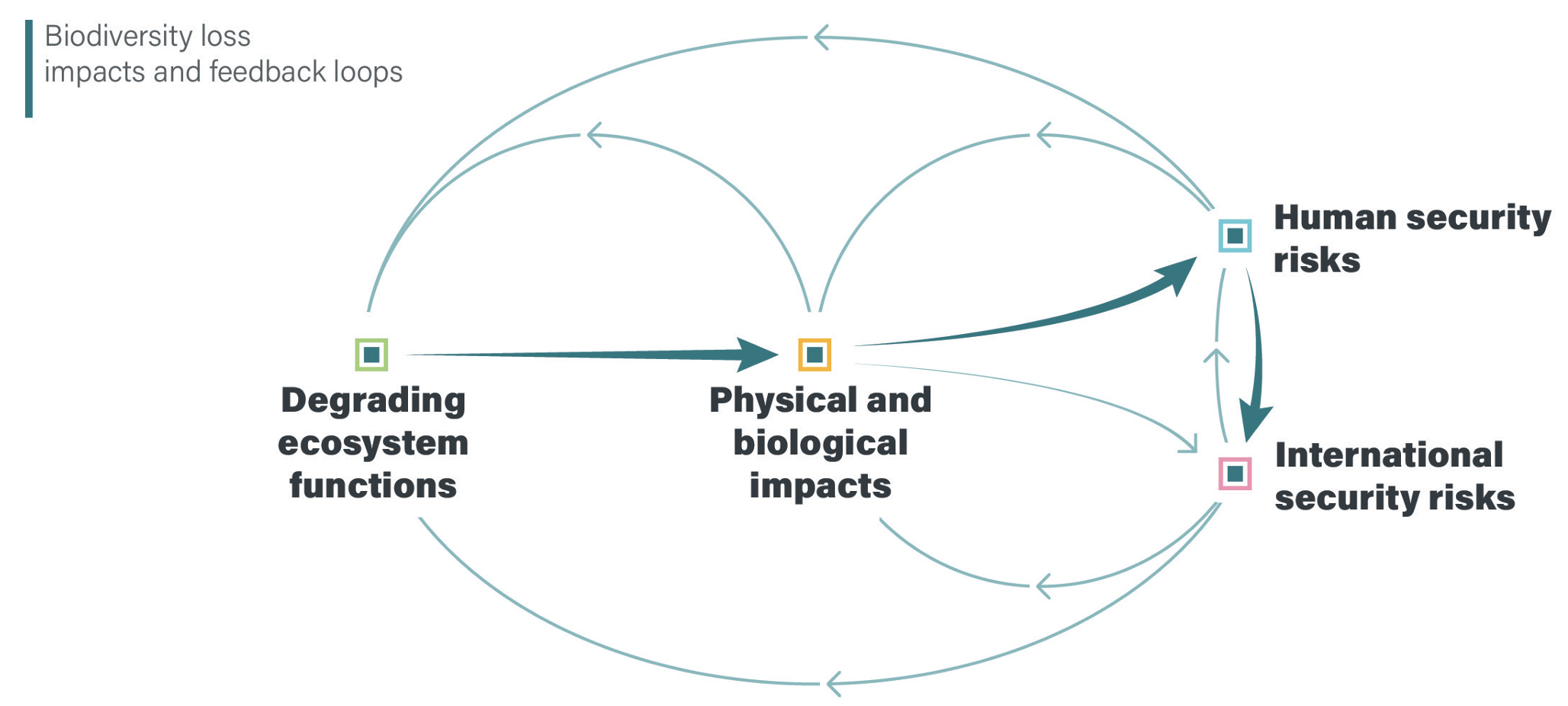
The second report I came across last week was the UK published "National security assessment on global biodiversity loss". Whilst the findings of the report are devastating, cataloguing our disastrous course towards climate and biodiversity collapse, what is interesting about the report is how it has been published. Whilst put out by a UK government agency (DEFRA - department for environment, food and rural affairs), it is truly global in scope. It comes from a study conducted by the Joint Intelligence Organisation (JIO) - this is significant as it means that the UK government is officially recognising that global biodiversity loss is a national security threat. So, it is no longer the pastime of a few woolly-headed environmentalists, but hard-nosed security. That is, if we choose to ignore biodiversity loss we do so at our own peril - that is now official. How much this translates into actual legislation and more importantly enforcement is another matter, but it is positive to see that finally the issue has gained the recognition it deserves.
It was not so many years ago that environmentalists protesting about biodiversity and climate change were seen as the security threat - some even tried to label campaigners as terrorists - now it is the issues themselves which are recognised as the threat itself.
What does this have to do with farming? Numerous longitudinal research studies have reported that organic farms consistently perform significantly better on biodiversity outcomes (much better!) than their conventional farming counterparts. (2015 Rundlöf M. et al, Effects of organic farming on biodiversity, Wiley).