

Feb
04
2026
11:33

Feb
04
2026
11:33
Fibremaxxing - fad or health support
How does eating more fibre play into the glyphosate debate?
How do you feel about eating a bit of extra roughage? News is trending on fibremaxxing - that is, increasing fibre intake, to reach recommended dietary advice. Is this just another of those passing crazes, or is there real value in considering our fibre intact?
Looks like there actually could be something in this: the majority of people consume less than 15g of fibre a day, whilst solid broadly accepted nutritional advice suggest a minimum of 30g a day (exceeding this amount doesn't seem to be a problem (the whole point of fibre is to help stuff through the digestion tract, so fibre is just passing through!). So, most people are getting only half of the fibre they need in their diet!
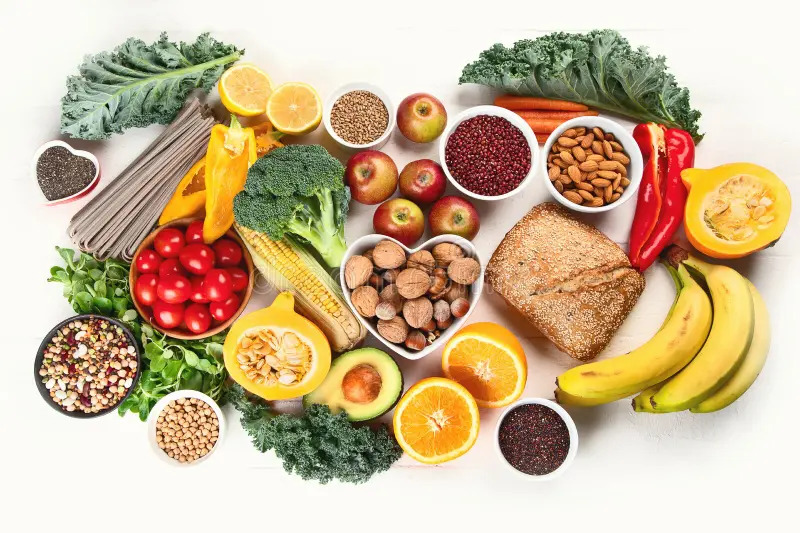
Problems associated with lack of fibre (roughage) intake are numerous, ranging from indigestion, constipation, irritable bowel syndrome and colonic cancer - and lots of other issues in between.
Something you are less likely to hear connected with fibremaxxing is how it plays into the glyphosate debate. Glyphosate (a herbicide, also known by the brand name “Roundup”), is being more and more clearly identified as a causal agent in all kinds of problems - it seems to be mainly related to mucking up what should normally be happening in our gut microbiome (it’s an antibiotic, and wipes out various beneficial gut microbes).
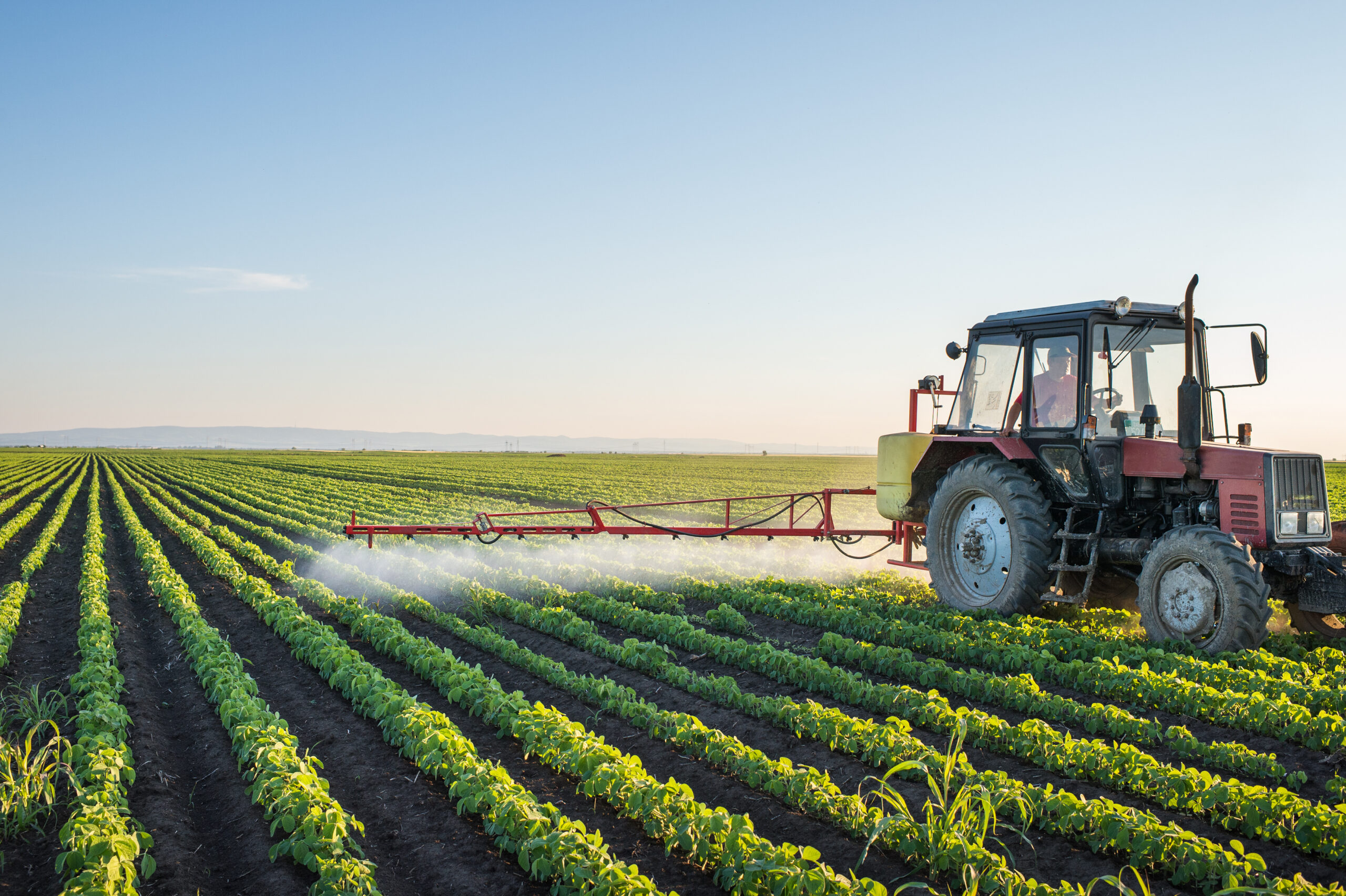
Herbicides are used more or less universally in farming, except in organic and biodynamic farming. Residues are mostly found on the outside of crops, so unfortunately when it comes to roughage very often this is where the consumer is going to receive the highest concentrations of it. This is particularly true for grain crops (if you want our advice, make sure you buy organic grains and wholemeal flour, even if nothing else!). It is precisely because glyphosate is so widely used that it makes banning it such a big issue - nearly every conventional farmer uses it (or some similar alternative). Moving away from the use of glyphosate is difficult if your farming system is designed around it - but it is perfectly possible to farm without glyphosate.
So, paradoxically, we are being told to eat more wholefoods (literally the whole part of the crop, unprocessed, including the outer roughage), but this is where we are likely to get the highest doses of glyphosate residue - unless you eat organic food!
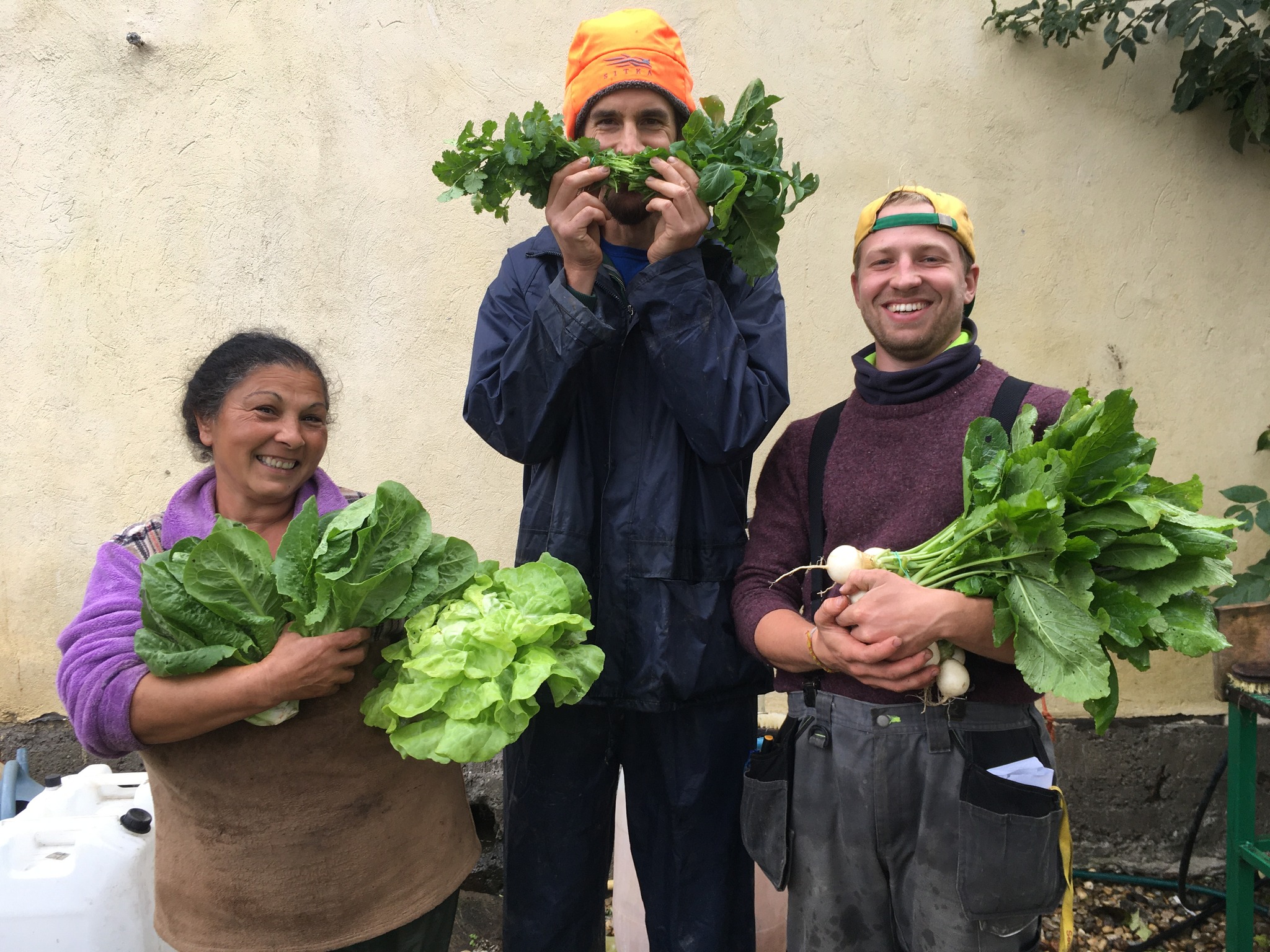
Zsámboki Biokert vegetables and fruit (as well as the flour and other products we sell, etc) are all grown without the use of any herbicides or synthetic pesticides. Our vegetables are about the best source of healthy fibre you can max-out on! We recommend especially the more fibrous veg, like cabbages, root veggies and pulses, but more or less all fruit and veg is rich in fibre.
Roughage - not rubbish!